
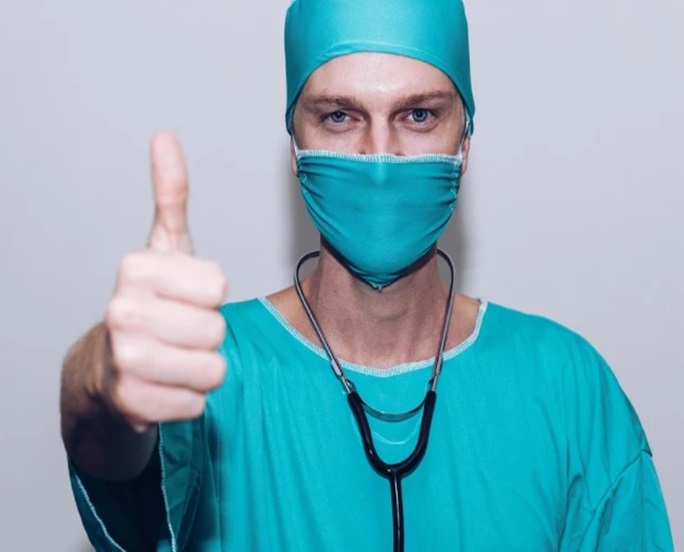
What are the requirements for medical clothing?
Recently, scrubs have become a recognizable feature of medical professionals, distinguishing them from representatives of other professions. Aprons, suits, caps, masks, and other clothing elements form the image of doctors and nurses – in the waiting room, consultation offices, and operating rooms.
First, we need to ask ourselves: "What are the functions of a nurse's uniform?"
1. The medical uniform identifies the field of professional activity;
2. It protects the body and everyday clothing from contact with blood, medication, and other substances.

According to their functional purpose, medical garments fall into the following categories:
1. Surgical medical clothing;
2. Uniforms for medical procedures in hospital waiting areas;
3. For pathological procedures.
In general, medical clothing standards depend on the doctor’s specialty, but there are universal requirements for medical uniforms:
1. Clean uniforms. Doctors should wear a clean uniform every day. Medical garments must withstand frequent washing and be wrinkle-resistant, as this saves time, which is extremely valuable for healthcare workers.
2. Comfort, in my opinion, is the top priority. It’s best if the uniform is one size larger. Doctors and nurses move a lot, so their uniforms should not restrict movement.
3. The fabric should be breathable. Breathable materials contribute to comfort throughout the working day.
There is a huge variety of medical clothing online, allowing you to highlight your personal style and look fashionable at work.
Let’s now look at the requirements for medical caps.
The medical cap is an essential part of a doctor’s or nurse’s outfit. It serves an important protective function: preventing hair from falling on surfaces in medical offices or operating rooms. Additionally, the cap protects hair from contact with medicinal substances. Requirements for a medical cap depend on the conditions in which it is used. It should be:
1. Non-toxic.
2. Made of hypoallergenic material.
3. Breathable and moisture-resistant.
4. Durable and wear-resistant.
What are the requirements for medical coats?
The appearance of a medical professional includes many elements, but the main part of the attire is the coat or uniform. It is worn in clinics, dental offices, hospitals, and private practices. The standard white coat has become a symbol of doctors, which is why its selection is given special attention. Coats are also worn by medical students – both during lectures and practical training outside the university.
The requirements for medical coats depend on where they are used. The most important criteria are that the uniform must be sterile, practical, and comfortable. For specialists working in hospital wards or admissions, there are generally no strict visual requirements.
What should the sleeve length be? Short-sleeved models are more popular in warmer seasons, while long sleeves are preferred in colder months. Some roles may have specific requirements depending on the job’s nature.
How long should medical clothing be? The minimum length is slightly above the knees. For convenience, doctors often choose coats that reach the knee.

What size should medical tunics and pants be? Medical uniforms should not be bought with the idea of fitting into them after weight loss. These garments should fit a bit loosely so the doctor or nurse can move comfortably.
Color and style also matter. A healthcare professional who spends most of their day in uniform wants to feel well-dressed and confident, as confidence helps improve job performance. High-quality and stylish medical uniforms boost self-esteem and help you feel comfortable in any situation.
🧵 Branding and personalization of uniforms
Hospital managers increasingly prefer ordering uniforms for their entire staff with the hospital’s logo, personalized name tags or job titles, and standardized color schemes depending on the department. This is a great way to help patients recognize staff instantly and to create a sense of professionalism, order, and team unity. Additionally, the hospital’s logo gives the uniform a distinctive identity and sets it apart from those of other institutions.
Sometimes, instead of different colors for each department, a hospital may choose to purchase uniforms in a single color and style for all staff. Decorative elements such as pockets on tunics and pants, color inserts, embroidery, unique buttons, and various patterns are often added.
Trends in medical uniforms 2026
Modern medical uniforms combine aesthetics and functionality. Among the trends for 2026 are pastel and muted tones, eco-friendly materials resistant to frequent washing, and cuts that blend comfort with a modern silhouette. Tunic-and-pants sets remain popular, but more and more models include details such as hidden zippers, tailored fits, contrast accents, or sporty lines. Many manufacturers offer collections inspired by fashion trends, allowing healthcare professionals to look both professional and stylish.

Requirements for medical work shoes
Doctors and nurses spend most of their working hours on their feet – seeing patients, moving between rooms and floors, performing procedures – all of which require endurance throughout the day. When shifts are long, fatigue increases. Comfortable shoes allow healthcare workers to feel good on the job and avoid foot pain.
Main requirements for medical footwear:
1. Wide toe box – prevents pressure on toes and blisters;
2. Non-slip soles – most hospital floors are tiled and regularly cleaned or disinfected, making them slippery. Proper footwear ensures safety and comfort;
3. Durability – high-quality shoes should last long;
4. Elevated sole – helps reduce pressure on the spine;
5. Good ventilation and heat exchange – protects against skin conditions.

The cut should be loose and comfortable to ensure ease of movement and comfort during long shifts.
Breathable and durable fabrics such as cotton or cotton-polyester blends are preferred, as they are easy to wash and gentle on the skin.
Shoes should have non-slip soles, a wide toe area, and cushioned insoles to reduce strain from standing and walking for long hours.
The cap protects against contact with substances and maintains hygiene by preventing hair from falling into sterile environments.
Yes, there are solid-colored and patterned models, tunics, coats, and unisex options – the choice depends on the department's specifics and personal preferences.